Most of us don’t give our water heaters much thought until the shower turns cold, the basement gets noisy, or the utility bill suddenly spikes. But like any major appliance, your water heater needs regular maintenance to keep it running efficiently. One of the most important steps? An annual flush.
So, is flushing your water heater every year really necessary? The short answer: yes.
Why Water Heaters Need Flushing
Water heaters, both tank-style and tankless, deal with the same challenge: sediment and mineral buildup.
- Tank-style water heaters: Over time, minerals like calcium and magnesium (commonly found in hard water) settle at the bottom of the tank. This buildup, called sediment, acts like a barrier between the heating element and your water. Your water heater has to work harder to push heat through that layer, using more energy and putting extra strain on the unit.
- Tankless water heaters: Instead of sediment at the bottom of a tank, tankless systems experience scale buildup inside their heating elements and pipes. This scale acts as insulation, forcing the system to work harder to deliver hot water.
Whether you own a traditional tank or a tankless system, the result is the same: reduced efficiency, higher energy costs, and premature wear and tear.
The Signs of Sediment and Scale
If you’re not sure whether your water heater needs flushing, here are a few red flags:
- Rumbling or popping noises coming from your tank.
- Inconsistent water temperature, sometimes hot, sometimes lukewarm.
- Reduced hot water supply, showers go cold faster than they used to.
- Chalky, white deposits around faucets, showerheads, or the water heater itself.
- Rising utility bills without a clear reason.
These symptoms are your water heater’s way of saying it’s working harder than it should.
What Happens If You Skip Flushing?
It’s tempting to let water heater maintenance slide, especially if the unit seems to be working fine. But ignoring flushing comes with real consequences over time.
- Higher energy bills: Sediment buildup forces your water heater to burn more fuel or electricity to heat the same amount of water. That wasted energy shows up on your utility bill.
- Less hot water: As sediment accumulates, it takes up space in your tank. That means less room for actual hot water. You’ll notice your showers don’t last as long as they used to.
- Noisy operation: The sound of water bubbling through sediment often creates loud rumbling or popping noises. Not only is it annoying, but it’s also a sign of strain on the system.
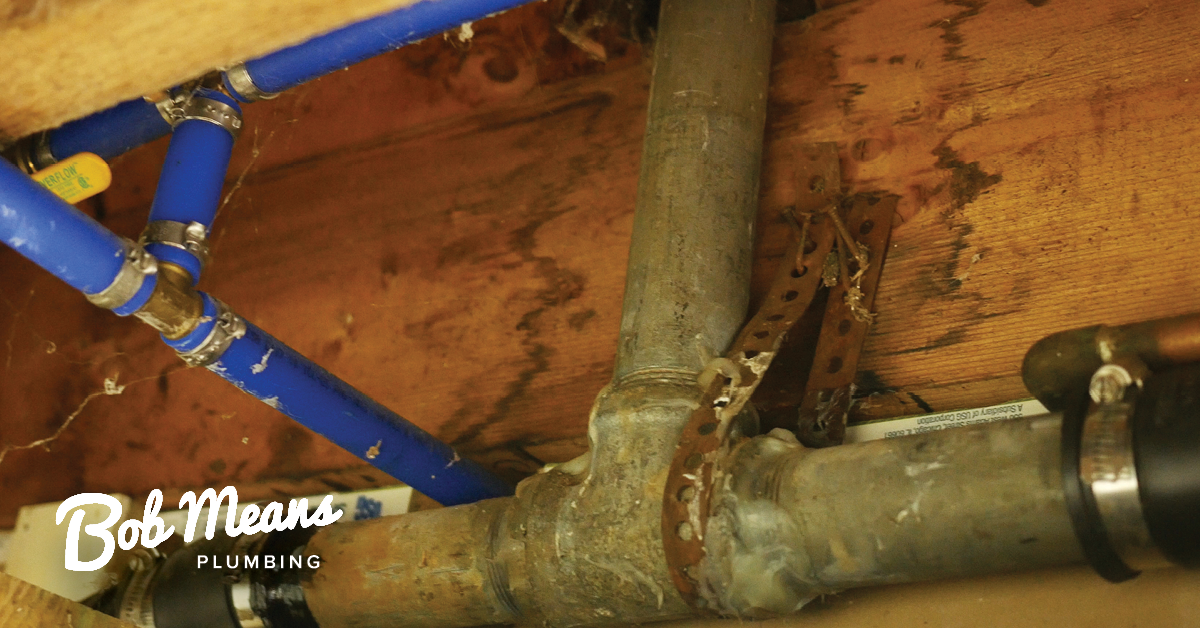
- Leaks and corrosion: Sediment can trap heat at the bottom of the tank, overheating the metal and damaging the lining. Over time, this weakens the tank and can cause leaks.
For tankless systems, scale buildup can clog lines, damage heating elements, and lead to expensive repairs.
How Often Should You Flush?
The standard recommendation is once a year. But the real answer depends on your water quality:
- Hard water areas: If your water has a high mineral content, flushing every six months is a smart investment.
- Tankless systems: Even if you don’t notice issues, annual descaling is critical to prevent scale buildup.
- Older systems: If your water heater is already 8–10 years old, maintenance is key to squeezing out as much life as possible.
Think of it like changing the oil in your car; you wouldn’t skip it and expect the engine to last forever.
DIY vs. Professional Flushing
You might be wondering: Can I flush my water heater myself? The answer is technically yes, but here’s why calling a pro is often the better choice:
- Safety: Water heaters involve scalding water, pressurized tanks, and (for gas systems) fuel lines. A mistake can be dangerous.
- Efficiency: A plumber has the right tools to fully drain, flush, and descale the system.
- Expert eyes: Professionals don’t just flush, they inspect for leaks, corrosion, faulty valves, or failing anode rods. Catching these early can prevent costly breakdowns.
- Tankless systems: Descaling requires a pump and the right descaling solution. Without proper tools, it’s easy to damage delicate components.
DIY can save money upfront, but professional service saves headaches (and often money) in the long run.
The Cost of Skipping Maintenance vs. Flushing
Let’s talk numbers. A typical water heater flush is relatively affordable, usually a fraction of the cost of repair or replacement. On the other hand:
- A replacement tank water heater can cost $1,200–$3,000.
- A tankless system can run $4,500–$6,000 or more.
- Emergency repairs often come with after-hours fees and stress.
By comparison, the cost of annual maintenance is small. Flushing is one of the simplest ways to protect your investment.
The Bob Means Plumbing Difference
At Bob Means Plumbing, we’ve been keeping Harrisburg homes comfortable for nearly 30 years. Our certified technicians specialize in both tank-style and tankless water heater service. As a Navien NSS (Navien Service Specialist), we’re trained to install, repair, and maintain tankless systems so you get the most from your investment.
When you call us for a water heater flush, you can expect:
- Thorough flushing and descaling.
- Complete system inspection.
- Honest advice on whether to repair or replace.
- Fast, reliable service from a local team you can trust.
We don’t just check a box; we give your system the care it needs to run efficiently, safely, and reliably.
Keep Your Hot Water Flowing Smoothly
Don’t wait for a cold shower to remind you that your water heater needs attention. A simple annual flush can:
- Extend your system’s lifespan.
- Lower your energy bills.
- Improve your home’s hot water supply.
- Prevent costly breakdowns and leaks.
📞 Call us today at (717) 412-7434
🌐 Schedule service online at bobmeansplumbing.com
Trust Bob Means Plumbing to keep your water hot, your system efficient, and your home protected.